
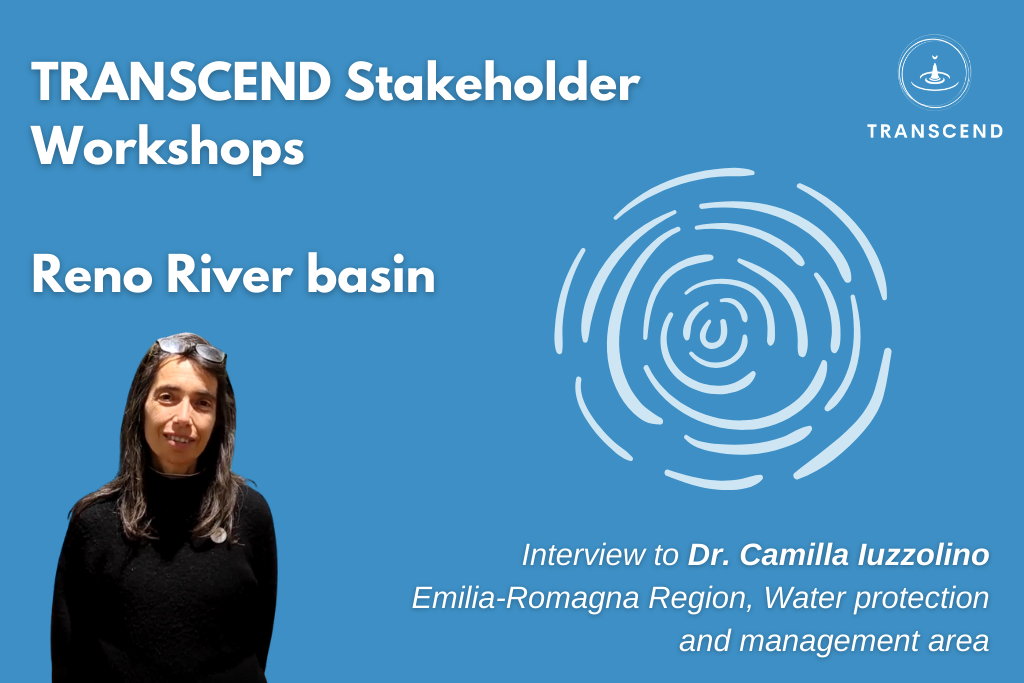
Read the article and watch the interview to an Italian stakeholder to know more about this growing and transformational approach to address river basins vulnerabilities.
River contracts were defined for the first time in 2000, during the 2° World Water Forum in The Hague, as “forms of agreement that allow to adopt a set of regulations in which criteria of public utility, economic return, social value and environmental sustainability equally take part in the search for effective solutions for the river basin’s recovery”.
However, they appeared for the first time in the 80s in France, following a growing interest for rivers protection among communities. Since then, river contracts have developed widely across Europe, especially in France, Italy and Belgium. Though they are more common in these areas, river contracts or similar forms of voluntary agreements can be found also in other parts of the world.
In detail, river contracts differ from one context to another, as they are in line with plans and programs in force within the river basin and the target area, but in general, they all share these features:
- bottom-up voluntary agreement
- involving public and private stakeholders
- including a strategic view and a set of actions
- aiming at addressing the vulnerabilities of a river basin
Watch our interview with Camilla Iuzzolino, a stakeholder from the Emilia-Romagna Regional government. She talks about river contracts in this region and their possible application to the Reno Biver basin as an outcome of TRANSCEND knowledge network.
More information on river contracts in Italy can be found in the links below:
https://contrattidifiume.mase.gov.it/cosa-sono
https://creiamopa.mase.gov.it/web/priorita/priorita-3/linea-6/wp2-linea-6.html
https://ambiente.regione.emilia-romagna.it/it/acque/contratti-di-fiume