

The Orontes basin is a transboundary watershed mostly located within Syria, with upstream portions in Lebanon and downstream sections in Turkey. Due to the intricate political dynamics, the focus of TRANSCEND is specifically on the Lebanese portion.
The basin is characterized by mountainous borders, most prominent in the upstream regions, which give way to a broad valley in the central and northern areas. A complex karst aquifer system in the southern and central regions fuels numerous springs, ensuring a consistent year-round flow. This is particularly crucial in Lebanon, where these springs form the primary surface water source.
The Orontes basin primarily experiences a hot summer Mediterranean climate, with mild, wet winters and hot, dry summers. However, the climate varies significantly across the basin: semi-arid conditions prevail in the southern and eastern areas, while the far southern mountains experience colder climates and winter snowfall. This snowmelt plays a significant role in replenishing groundwater and influencing surface water flow.
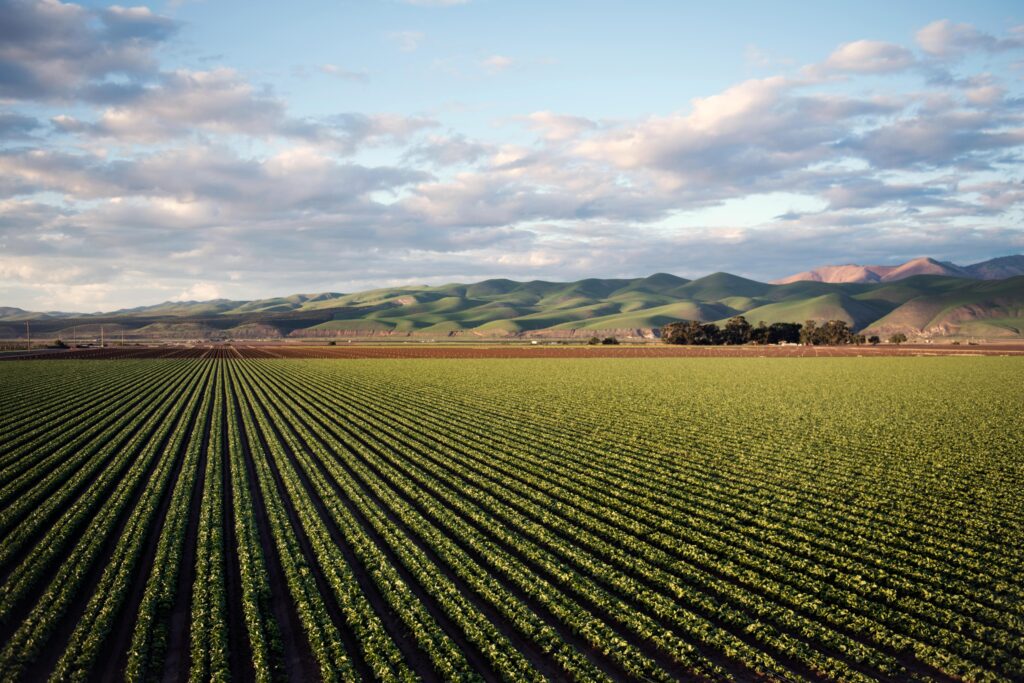
Agriculture accounts for approximately 25% of the basin’s land use, concentrated primarily in the river valley, especially within Syria. Field crops are the dominant form of agriculture, with tree crops making up the remaining portion. Other land cover types include grasslands and bare land. Recent studies indicate a shift from grasslands to croplands in the upstream areas since the Syrian conflict began in 2011, accompanied by anecdotal evidence of an increase in olive and almond cultivation. Irrigated agriculture is prevalent, particularly in Syria. In Lebanon, approximately half of the cropped land is irrigated.
Scroll through the slides to read about the Orontes local workshops and serious game.
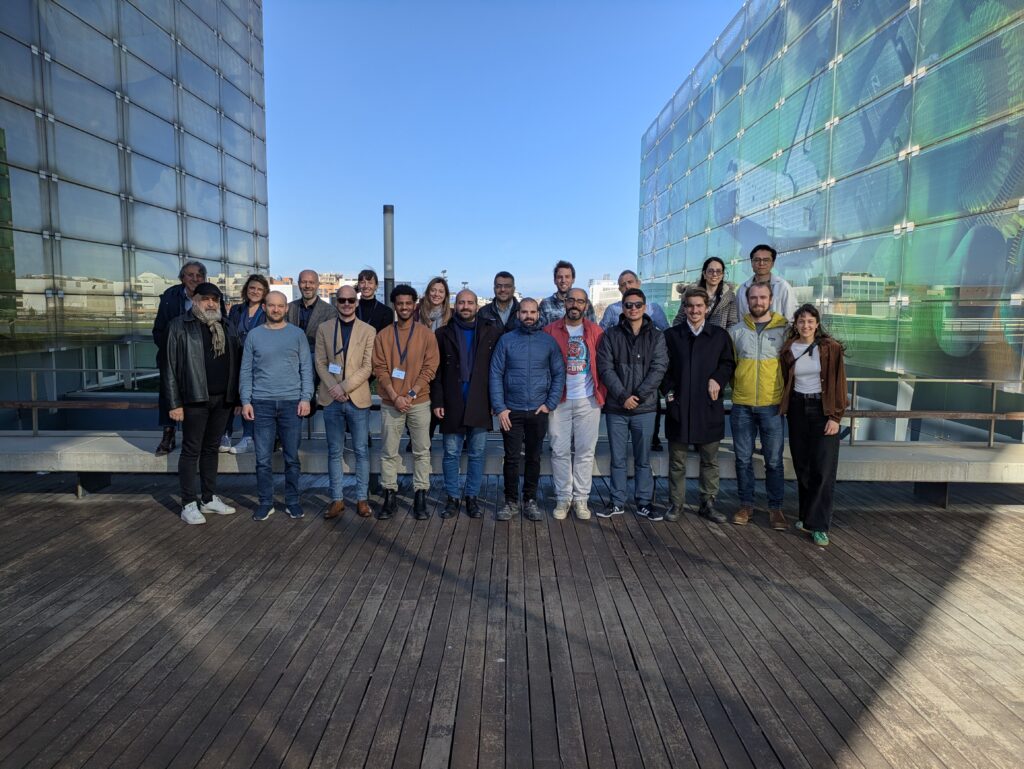
TRANSCEND Holds the third General Assembly in Valencia
Following the success of the 2nd International Stakeholder Workshop in Valencia, the TRANSCEND partners, hosted by the…
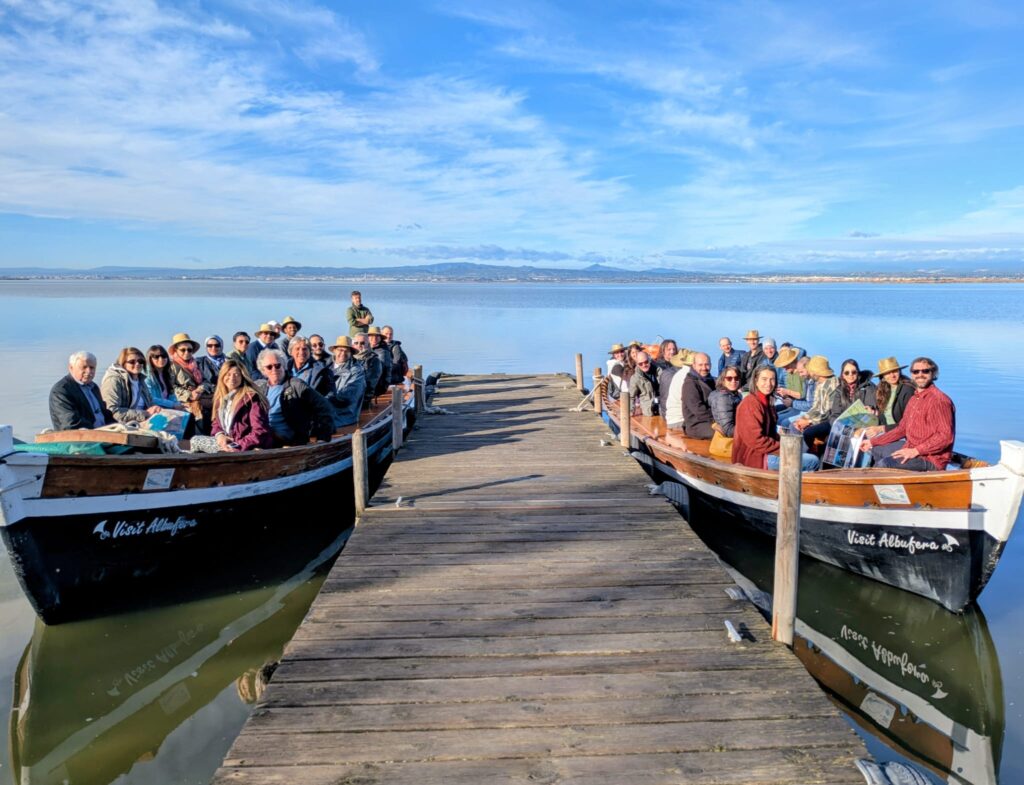
Overview of the second international stakeholder workshop in Valencia
Following the success of our inaugural international workshop held in Venice in May 2025, the…
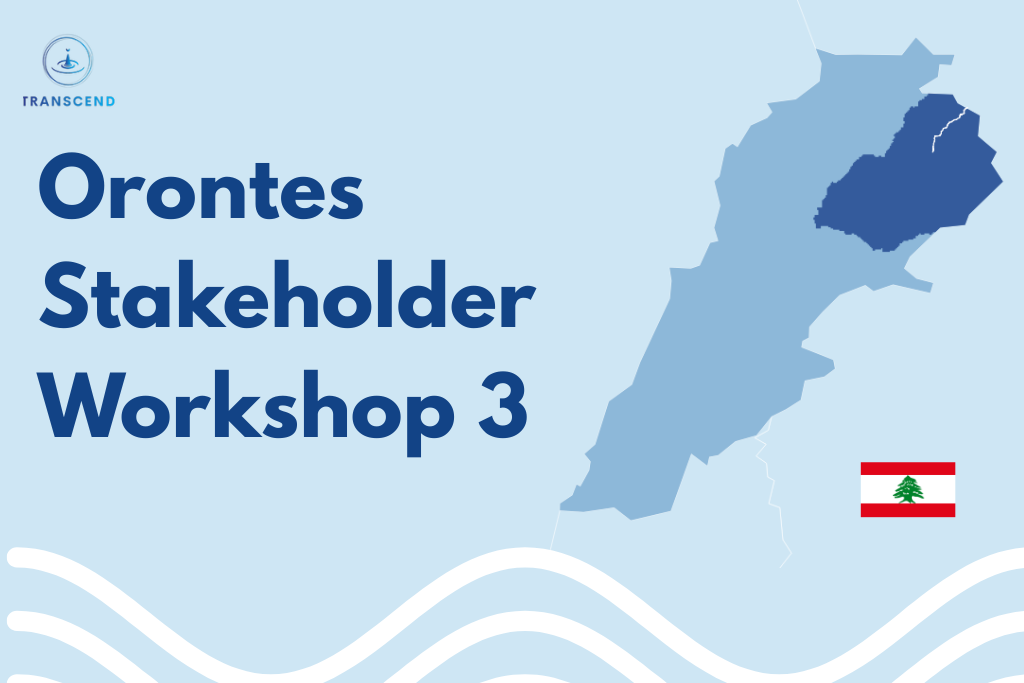
Orontes 3rd stakeholder workshop and Scenathon
The 3rd Stakeholder Workshop for the Orontes River Basin was held in Lebanon on October…

Policy brief: Barriers and innovative adaptation policies in TRANSCEND’s river basins
Download Adapting to water scarcity thorugh innovative and transformative policies is a key challenge for…
Socioeconomic impact of agricultural water reallocation policies in the Upper Litani Basin (Lebanon): a remote sensing and microeconomic ensemble forecasting approach
The integration of remote sensing and socio-economic data is crucial for policy making in regions…
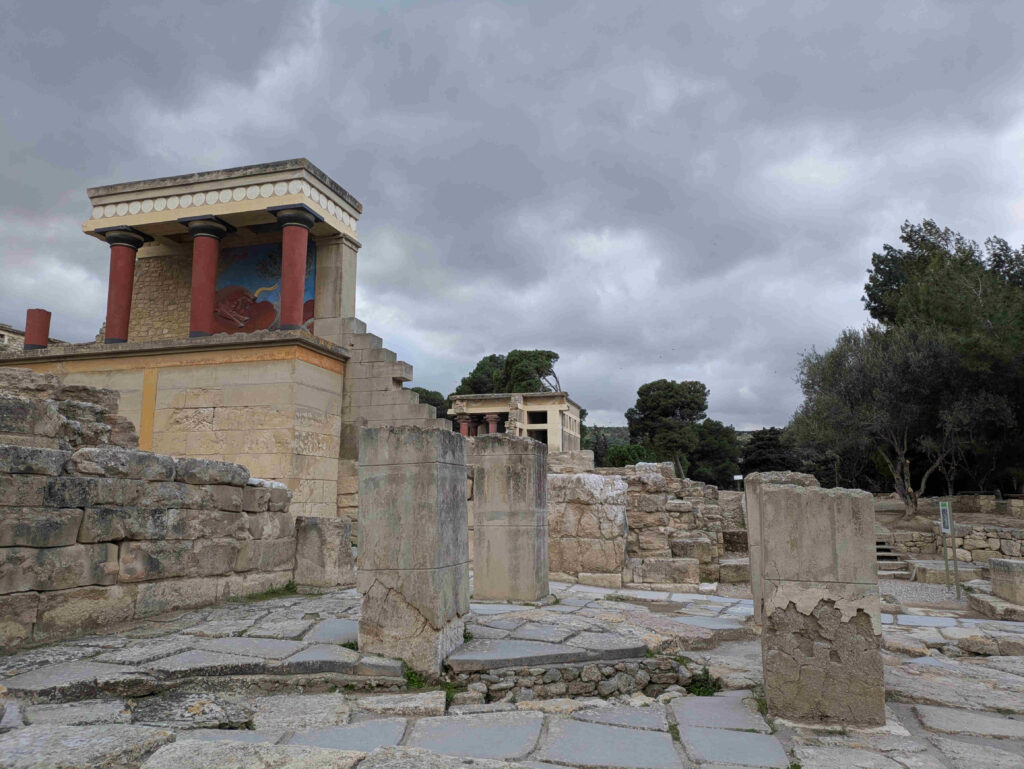
2nd General Assembly
TRANSCEND 2nd general assembly just took place in Crete. It was a crucial moment to…