
The 3rd Stakeholder Workshop for the Tympaki living lab took place in Zaros on Tuesday, November 18, 2025, held by Region of Crete’s working group and project’s partner.
More relevant than ever due to the ongoing water scarcity in the area of interest, the workshop aimed to define and promote the adoption of Transformational Adaptation Policies (TAPs) to address water deficit — including innovative allocation systems and economic instruments — that are resilient and adaptable to uncertainty and change, while at the same time ensuring fair and sustainable economic development and prosperity in the Region of Crete.
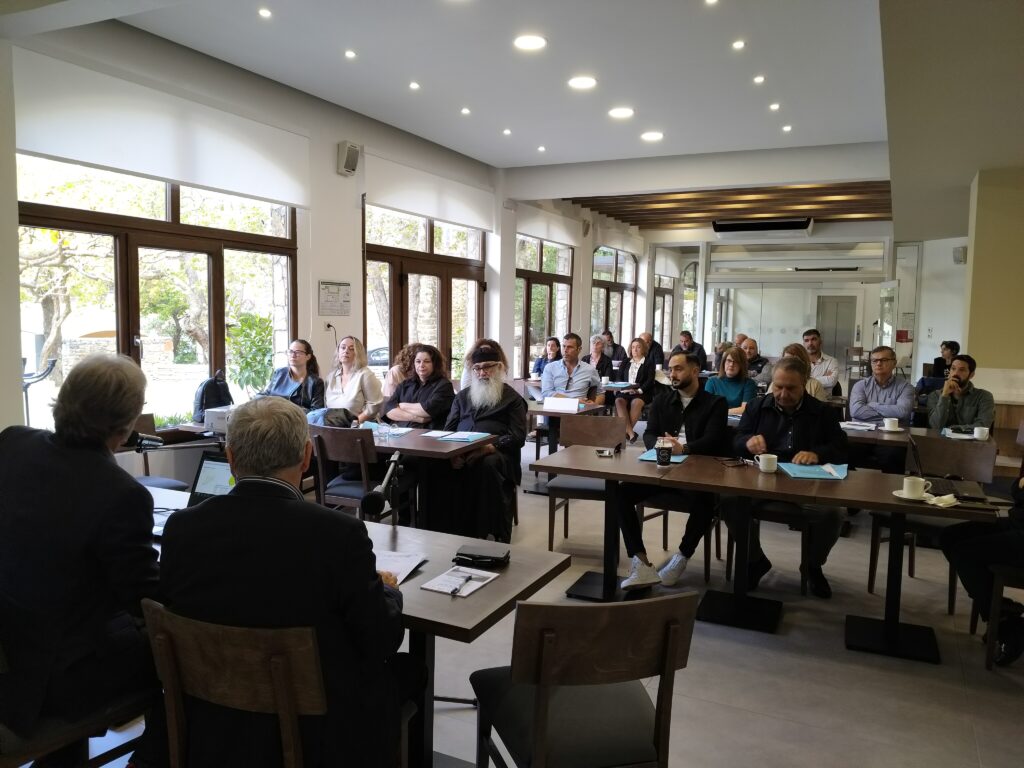
The following main stakeholders involved in water management in the Tympaki hydrological basin attended the workshop: the Vice Regional Governor of Environment, Mr. Nikos Xylouris who represented the Regional Governor of Crete, the Directorate of Environment & Spatial Planning of the Region of Crete, the Directorate of Water and the Directorate of Environment & Spatial Planning of the Decentralized Administration of Crete, the Hellenic Survey of Geology & Mineral Exploration (HSGME/EAGME), the local Land Reclamation Organizations (TOEVs), the Municipality of Phaistos, the Agricultural Cooperative of Tympaki, and representatives of key users such as farmers and local Water Supply & Sewerage Authorities (DEYAs).
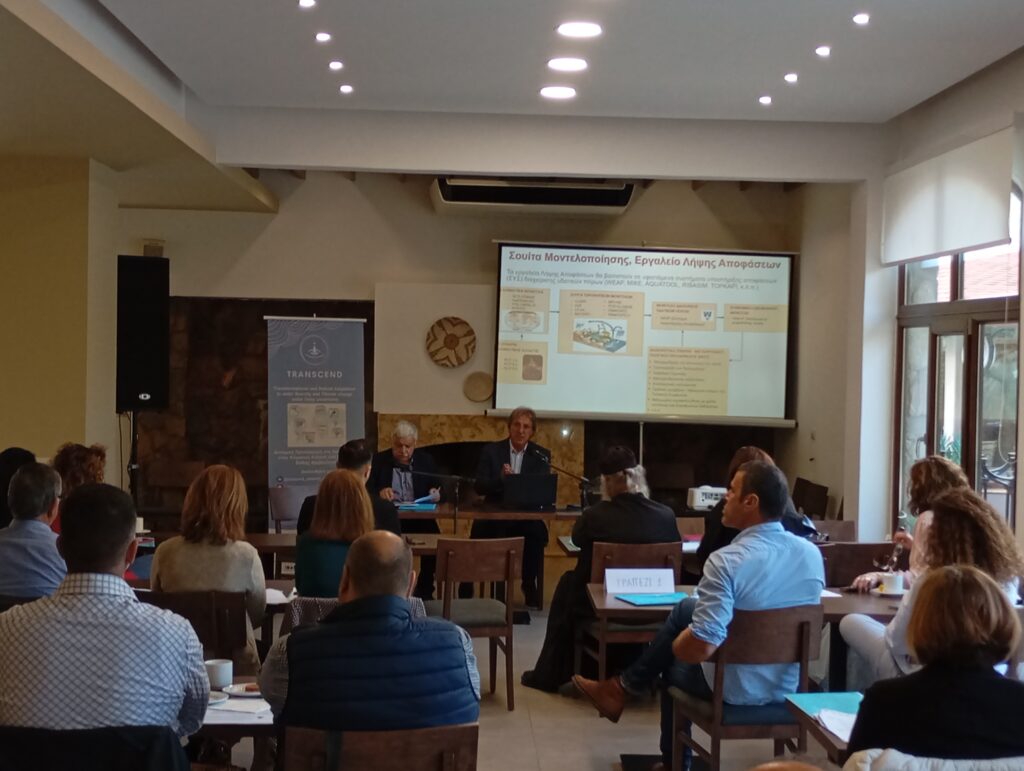
After a presentation on the project’s advancement, stakehodlers were involved in a serious game, core activity of the day.
The “Serious Game” tailored to the Tympaki river basin uses information from the hydrological and economic models developed within the project to simulate scenarios and present the results through a platform that facilitates visualization and incorporates uncertainty. The hydrological scenarios examined in the Serious Game of the 3rd workshop included severe drought (5 consecutive dry years), prolonged drought (7 consecutive dry years), and a reduction in precipitation by 10% and 20%. The economic scenarios examined involved increases and decreases in olive oil prices, as well as scenarios with increased water pricing. Additionally, scenarios related to infrastructure and water management were considered.
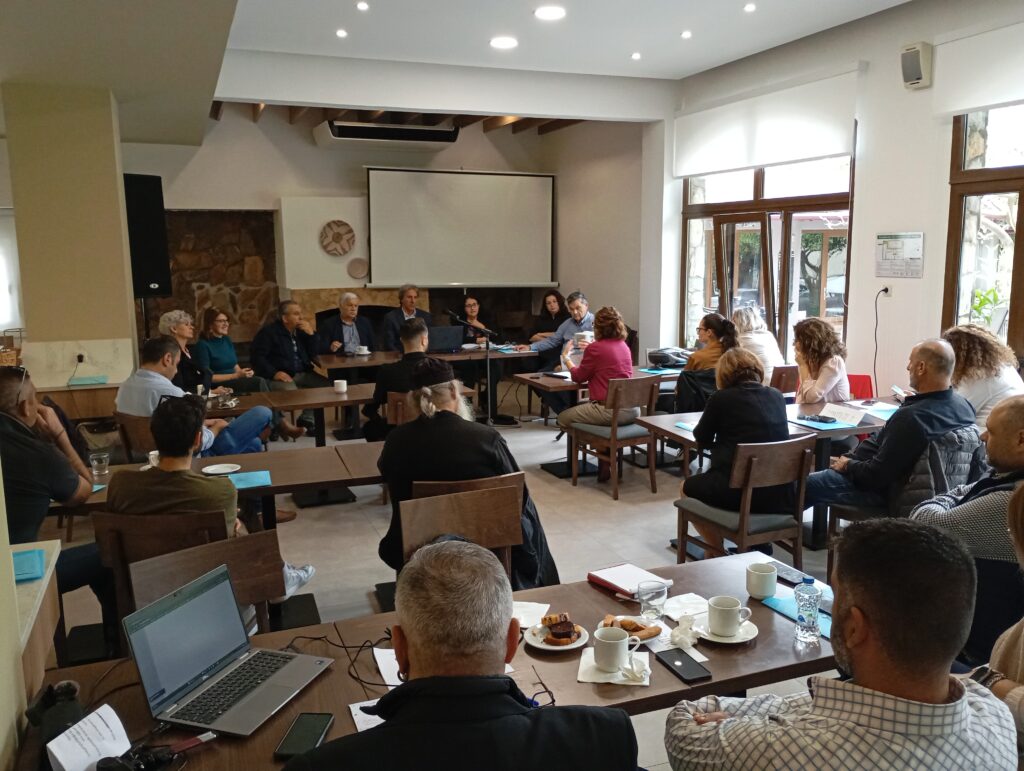
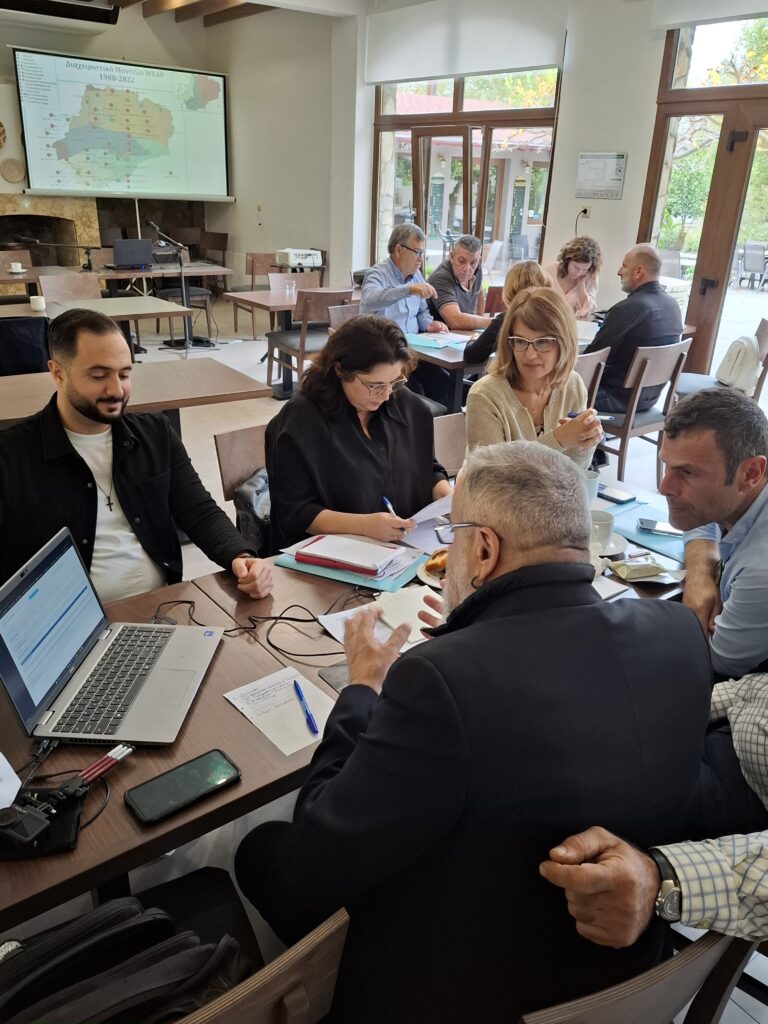
At the end of the day, a discussion took place among participants, during which each person expressed their impressions and observations on the Serious Game, as well as their suggestions concerning the Transformational Adaptation Policies (TAPs).