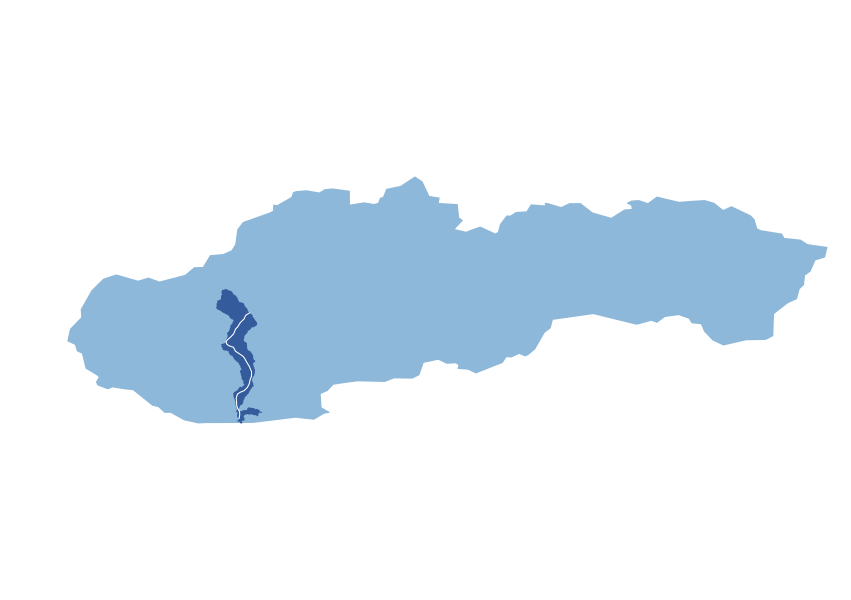
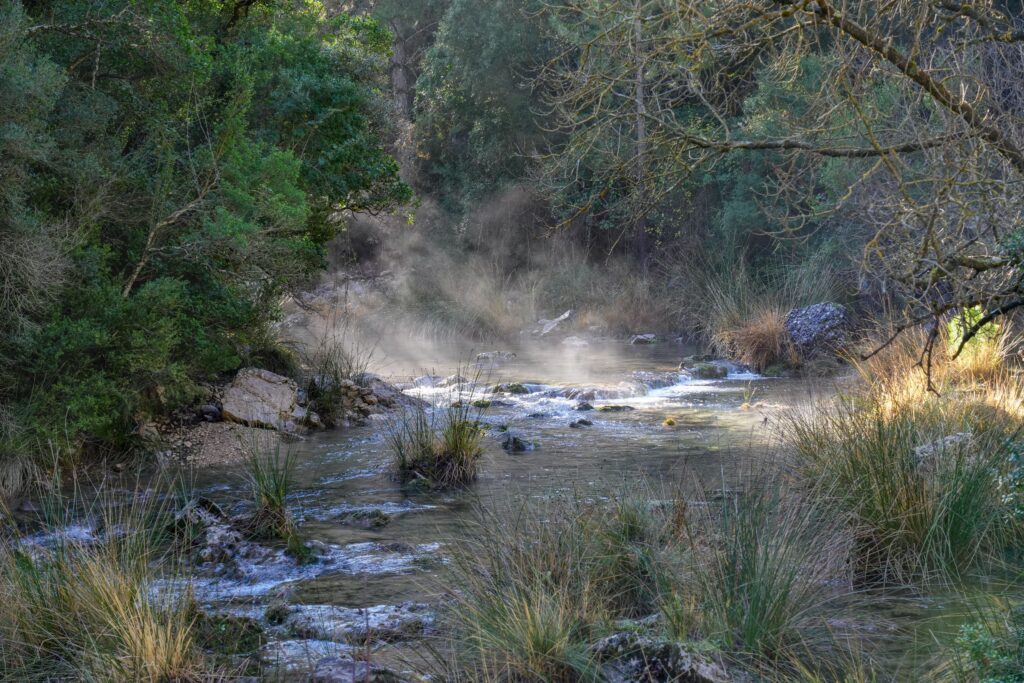
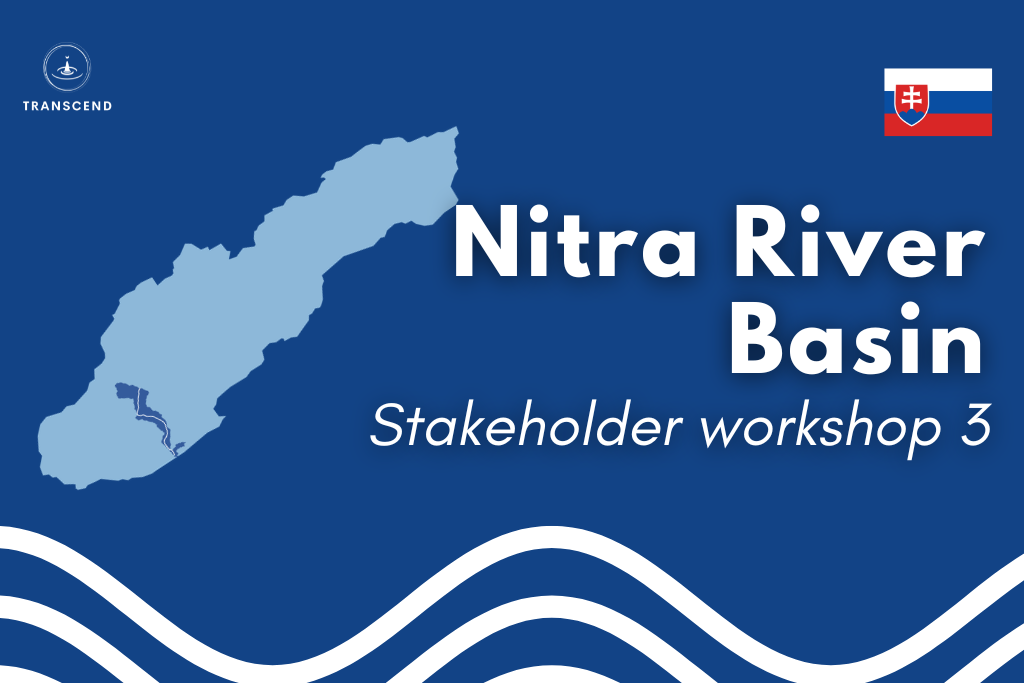
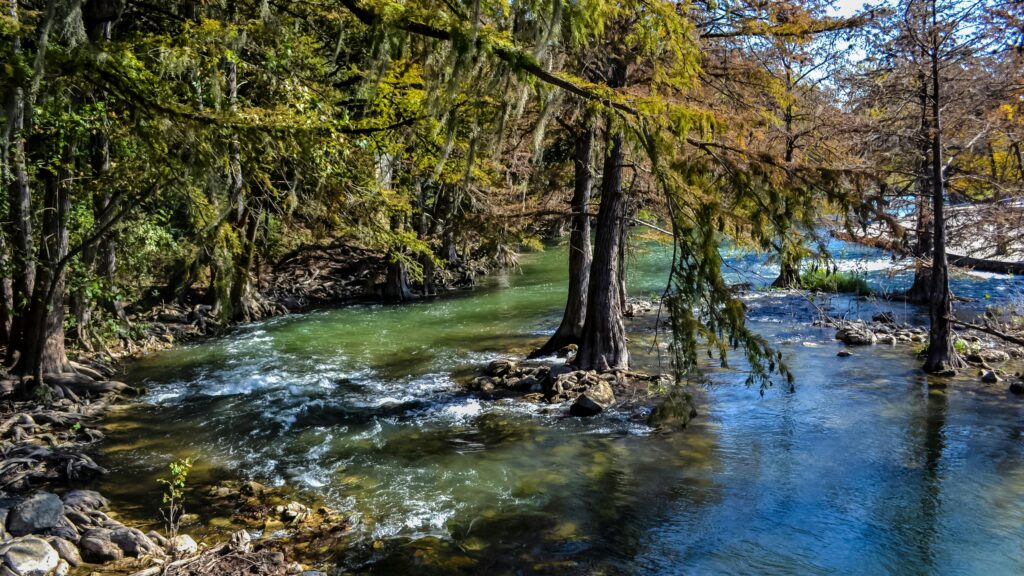
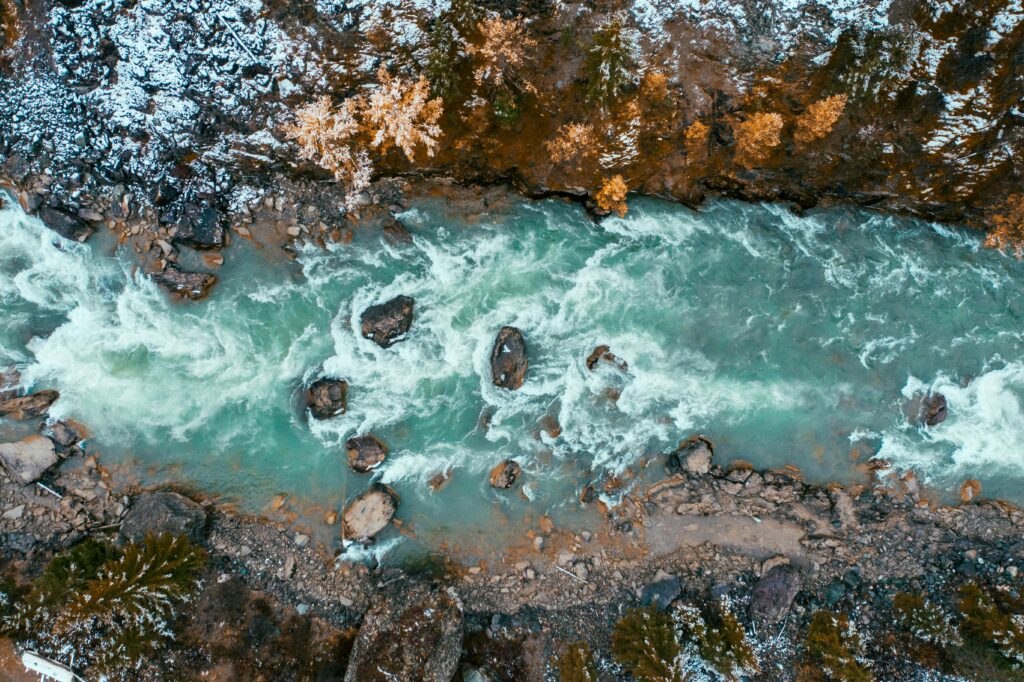
The Nitra basin is located in the west of Slovakia and forms the watershed for the Nitra river, which rises in the mountains in the north of the basin, flows through a broad valley and discharges into the Váh in a flat plain in the south of the basin.
The basin’s climate varies from a “warm summer humid continental” climate in the north, with distinct seasons and cold winters, to a milder “temperate oceanic” climate in the southwest. Precipitation occurs throughout the year, and winter snow accumulation, particularly in the mountainous regions, plays a crucial role in the hydrological cycle. Any shifts in snow patterns due to climate change will directly impact the basin’s water resources.
Upstream parts of the basin are characterized by forest and grasslands, and agricultural land is concentrated in the southern and central lowland plains. Unlike the other TRANSCEND living labs, agriculture does not constitute a major water use in the Nitra basin: use is approximately equal between the industrial (mainly mining) and domestic sectors. Partly due to mining activity, which has created surface depressions, there are numerous wetland areas throughout the basin, and there is growing interest in the ecologic function of these wetlands. For all uses in the basin, abstractions are from a mix of surface water and groundwater.
Scroll through the slides to read about the Nitra local workshops and serious game.
Workshop 1 – Vulnerability Assessment and Gap Identification
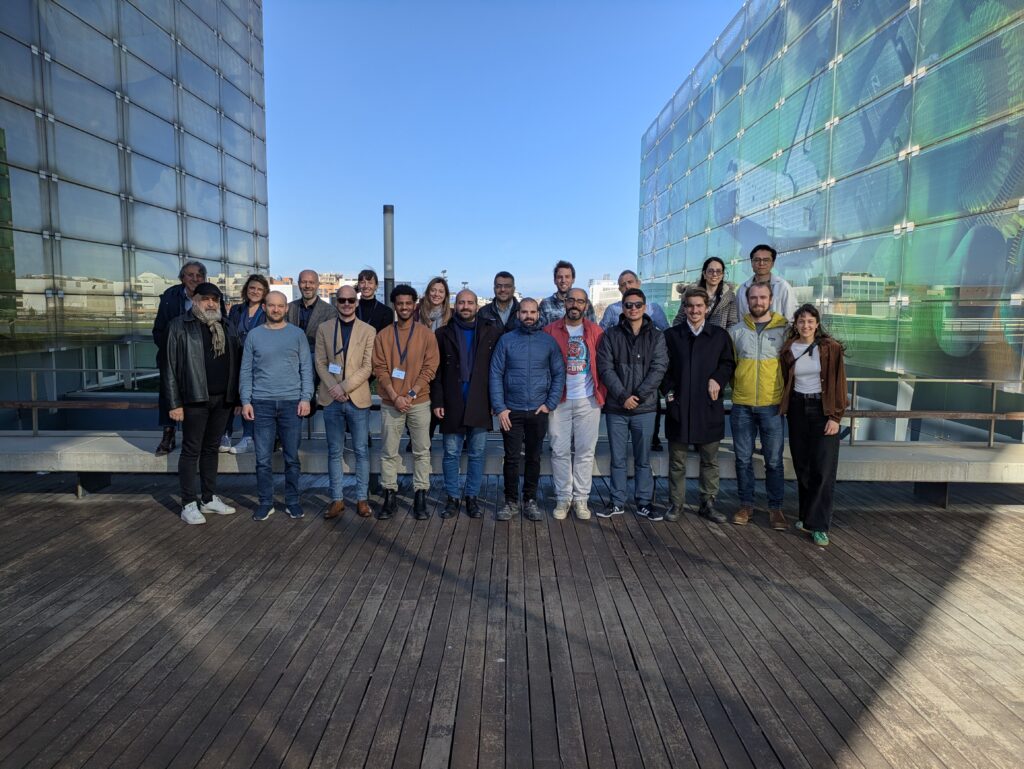
Banská Bystrica (Slovakia), July 20th, 2023 The first local workshop focused on identifying systemic vulnerabilities and technical gaps within the Nitra River Basin. Stakeholders identified critical issues regarding financial stability, due to the phasing out of mines by the end of 2023, and the lack of a prioritization system for water allocation, extremely problematic in drought conditions.
On the technical side, the following main gaps were identified: Modelling: lack of capacities and resources, and lack of models to predict critical aspects such as groundwater availability, which accounts for 80% of the drinking water, ecological water flow, and water pollution. Monitoring: insufficient network, especially with respect to withdrawal monitoring, and overall lack of available information for stakeholders and decision makers.
Workshop 2 – Scenario Exploration and TAPs Identification
Banská Bystrica (Slovakia), February 28th, 2025 During the second workshop, stakeholders focused on sectors requiring transformation and brainstormed potential Transformational Adaptation Policies (TAPs). A specific challenge in this area is posed by the dismissal of mines, that is leading to high future uncertainty in terms of industrial development and water resources use. The discussion was animated through a serious game that focused on examples of drought scenarios and simulated streamflows, and brought to the evalutation of many policies, including:
1. Improved system and registry of water permits and abstractions including monitoring 2. Availability and open access data exchange among institutions and stakeholders 3. Assess the impact of reduced discharge and estimate the dynamics of water levels in the mines to prevent future outbursts 4. Implementation of ecological flows into water management practice 5. Strengthen policies to adapt to rare but high-impact events 6. Water Retention & Landscape Restoration. Read the policy brief on Nitra barriers and adaptation policies.
Banská Bystrica (Slovakia), May 14th 2026. The third workshop aimed at exploring taps through a serious game that included three climate change scenarios – trend (average) scenario RCP 2.6, extremely dry scenario RCP 8.5, extremely wet RCP 8.5 – and two land use scenarios – more agricultural land or more natural land. The game tested and confirmed the importance of the following taps:
1. Water retention/storage 2. Environmental flows
The Nitra serious game is under update to integrate the feedback from stakeholders, explore its current version here.
workshop 4 – Co-implementation of TAPs
The fourth and last local workshop is foreseen for Autumn 2026. The goal of the event will be: presenting the detaild results of the modeling suite co-developed within the project; validate the TAPs co-identified with the stakeholders through a serious game; and planning for the co-implementation of the selected TAPs.
Nitra Serious game
TRANSCEND serious games are model based, meaning that they rely on quantitative hydrological, climate, and economic models rather than hypothetical narratives.
The Nitra serious game, currently under development, focuses on water retention and its impacts on environmental flows, under three climate change scenarios – trend (average) scenario RCP 2.6, extremely dry scenario RCP 8.5, extremely wet RCP 8.5 – and two land use scenarios – more agricultural land or more natural land. Access the Nitra serious game intercative platform.