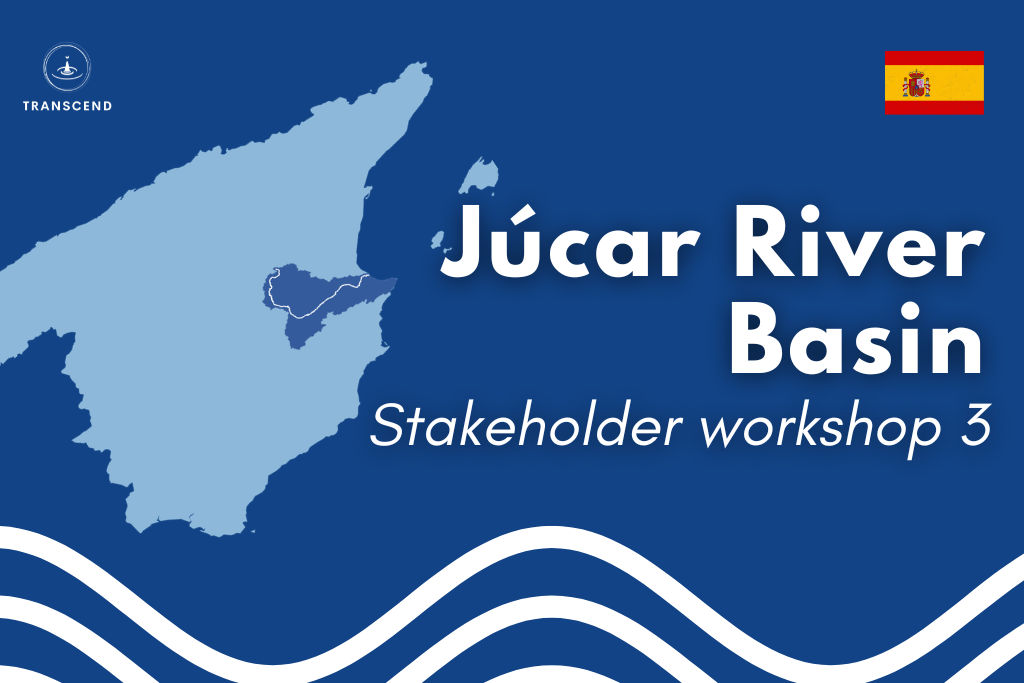
Located in Eastern Spain, the basin occupies a semi-arid region characterized by upland plateaus and mountains, and a coastal plain.
The basin’s climate is predominantly semi-arid, with cold semi-arid’ conditions in the uplands and ‘hot semi-arid’ conditions in the coastal areas, alongside a small – more rainy – Mediterranean zone in the northern mountains. Snow does not play a significant role in this area. Agriculture is the dominant land use, with a near-equal distribution of forested/seminatural and agricultural land.
Irrigated agriculture, utilizing both groundwater and surface water, is prevalent, with a mix of tree crops (coastal plain) and row crops (Mancha Oriental). While the overall agricultural irrigated area has remained stable since the 1990s, there has been a notable shift in crop types, including a decrease in citrus and corn cultivation and an increase in vineyards, olive groves, and winter cereals.
Scroll through the slides to read about the Júcar local workshops and serious game.
Workshop 1 –Vulnerability Assessment and Gap Identification
The first local workshop focused on identifying systemic vulnerabilities and technical gaps within the Júcar River Basin. Stakeholders identified three main critical issues:
1. Water quantity uncertainty: future climate and population scenarios forecast more water availability/scarcity. 2. Poor environmental status of the river 3. Lack of integration between scales, and economic assessment of driving forces
On the technical side, stakeholders highlighted the need for the integration of economic and hydrological modeling, while no relevant criticalities regarding monitoring emerged.
Workshop 2 – Scenario Exploration and TAPs Identification
Valencia (Spain), April 4th 2025 The second local workshop was organized under the collaboration between TRANSCEND and RETOUCH NEXUS European sister projects and focused on climate change impacts on the river basin and its ecological status. Stakeholders brought the attention to several vulnerabilities, including: water scarcity and drought episodes; overexploitation of water resources of the Mancha Oriental; ecosystem degradation; flooding risks; socioeconomic impacts.
Participants also discussed a diverse array of potential TAPs, including: 1. Agriculture: crop pattern substitution; insurances; subsidies for rainfed agriculture 2. Water pricing and markets and payment of ecosystem services 3. Investment in water infrastructure 4. Inclusion of the social aspects in the water rights distribution during the drought period 5. Vulnerability assessment of the water sources and harvest risk 6. Reduction of irrigated areas in the Mancha Oriental region, coupled with a shift towards dry farming practices like rainfed agriculture Download the policy brief on Júcar barriers and adaptation policies.
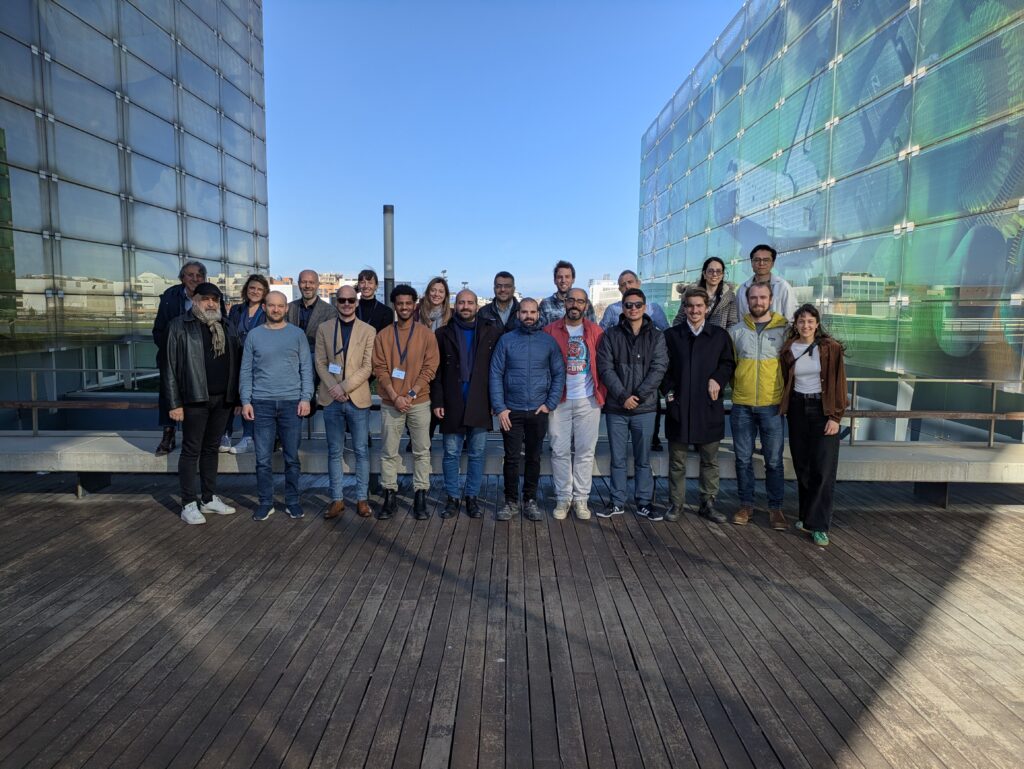
Valencia (Spain), June 12th 2026 The third workshop aimed at exploring the TAPs previously identified through a serious game with future climate, economic, and hydrological scenarios. They game focused on two potential strategies:
The fourth and last local workshop is foreseen for Autumn 2026. The goal of the event will be: presenting the detaild results of the modeling suite co-developed within the project; validate the TAPs co-identified with the stakeholders through a serious game; and planning for the co-implementation of the selected TAPs.
Júcar Serious games
TRANSCEND serious games are model based, meaning that they rely on quantitative hydrological, climate, and economic models rather than hypothetical narratives. In the Júcar serious game decisions focus on whether to purchase drought insurance and whether to switch crops. The game uses climate scenarios and a scarcity index to simulate income outcomes over multiple decades, highlighting trade-offs between short-term costs and long-term resilience. Visit the game interactive platform.