
Papers

Uncertainty assessment of rainfall-runoff simulation of the Reno Italy river basin under climate change scenarios

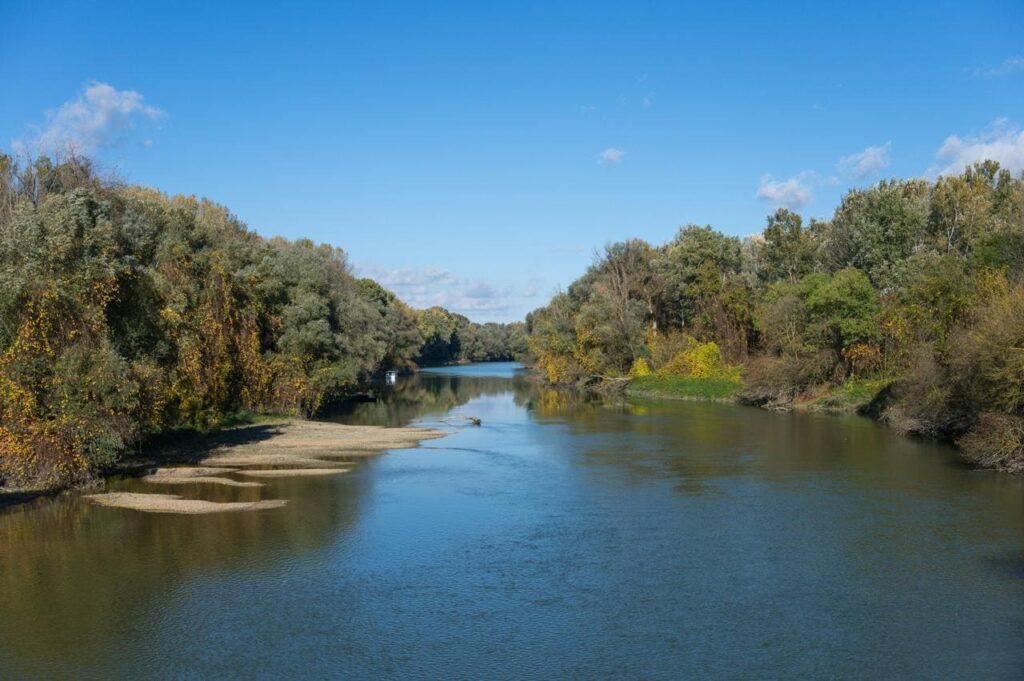
Uncertainty assessment is crucial for rainfall-runoff simulations in a typical watershed. Generally, three major sources of uncertainty are input forcing, model structure, and model parameterization. The uncertainty of hydrological modelling

Uncertainty assessment of rainfall-runoff simulation of the Reno Italy river basin under climate change scenarios Read More »

Assessment of tree-based boosting machine learning techniques for forecasting high-impact drought events across dry and hot future climate scenarios: A case study from Italy

In the realm of climate predictions and extremes, machine learning (ML) techniques serve as versatile tools not only for capturing climate patterns but also for climate change impact assessments. Generally,

Assessment of tree-based boosting machine learning techniques for forecasting high-impact drought events across dry and hot future climate scenarios: A case study from Italy Read More »

Estimating irrigation water use from remotely sensed evapotranspiration data: Accuracy and uncertainties at field, water right, and regional scales

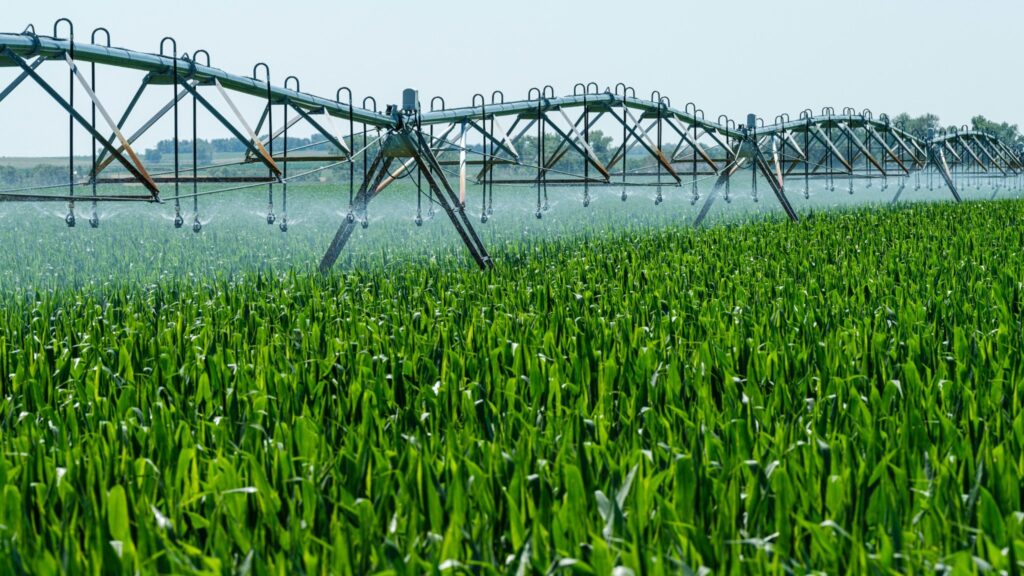
Irrigated agriculture is the dominant user of water globally, but most water withdrawals are not monitored or reported. As a result, it is largely unknown when, where, and how much

Estimating irrigation water use from remotely sensed evapotranspiration data: Accuracy and uncertainties at field, water right, and regional scales Read More »

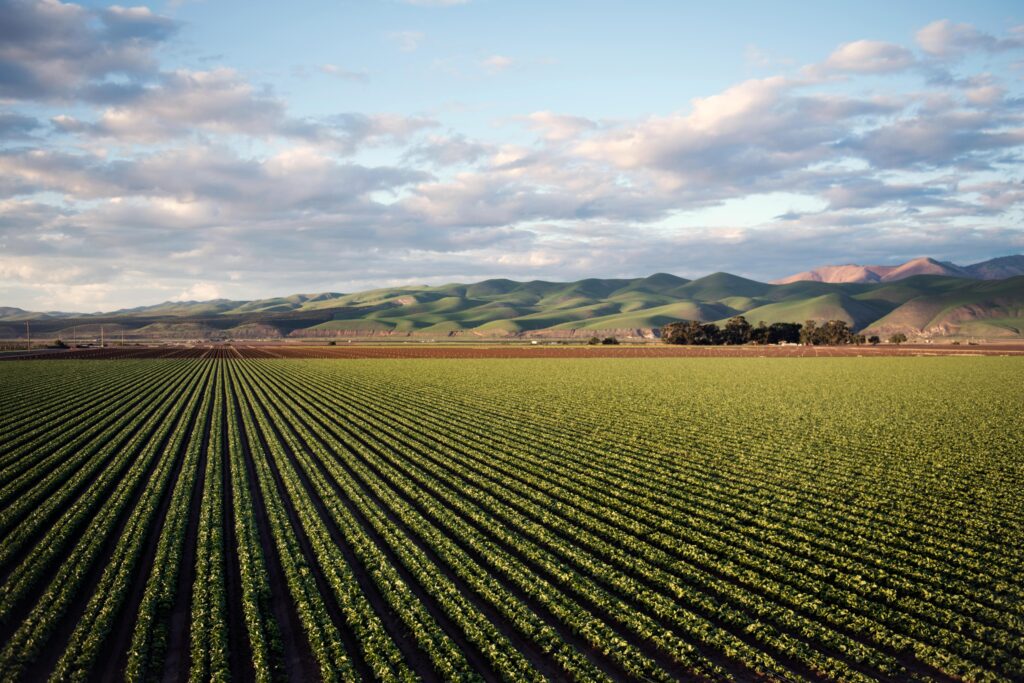
Aerial view of vast farmland with rows of crops and rolling hills in Santa Maria, CA.

Socioeconomic impact of agricultural water reallocation policies in the Upper Litani Basin (Lebanon): a remote sensing and microeconomic ensemble forecasting approach

The integration of remote sensing and socio-economic data is crucial for policy making in regions suffering from water scarcity and climate change. This paper presents a framework that combines remotely

Socioeconomic impact of agricultural water reallocation policies in the Upper Litani Basin (Lebanon): a remote sensing and microeconomic ensemble forecasting approach Read More »

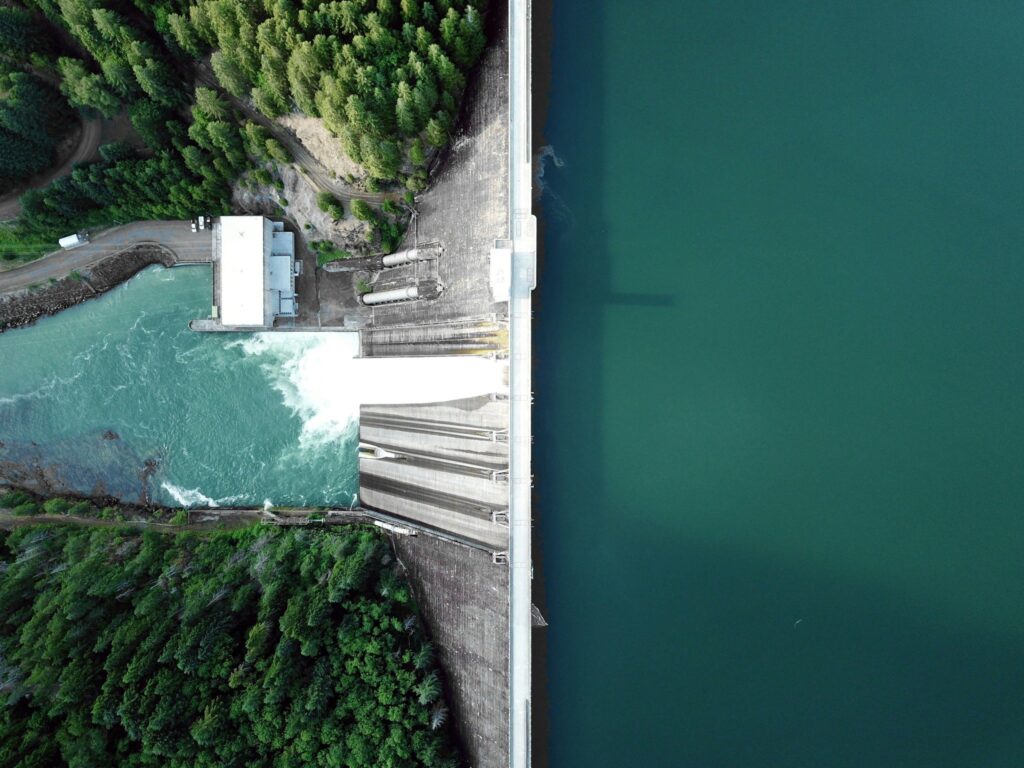
To dam or not to dam? Actionable socio-hydrology modeling to inform robust adaptation to water scarcity and water extremes

The contribution of this paper is twofold: 1) it develops a replicable socio-hydrology-inspired model that elicits agents’ preferences while accounting for the two-way feedbacks between complex human and water systems

To dam or not to dam? Actionable socio-hydrology modeling to inform robust adaptation to water scarcity and water extremes Read More »

Privacy Overview

This website uses cookies so that we can provide you with the best user experience possible. Cookie information is stored in your browser and performs functions such as recognising you when you return to our website and helping our team to understand which sections of the website you find most interesting and useful.